Planning 2 weeks in China?
Here’s a complete day-by-day itinerary covering Shanghai, Beijing, Hangzhou and Chendgu, plus budgets, visas and travel tips.
Two weeks is the classic first timer’s window for China – enough to hit the “big three” cities that make up most people’s bucket list, without the exhaustion or logistics of a longer trip. You’ll have time for nature escapes, walking the bund and pandas without feeling like you’re missing anything!
This itinerary is built for:
- First-time visitors who want to see the “big three” (Shanghai, Beijing, Chengdu) without cutting corners on the highlights.
- Travellers working with a standard two-week annual leave allowance
- Anyone who wants the core China route now and might save the extras for a future trip (Hong Kong, Guilin, Zhangjiajie)
If you’ve got extra time to play with, our 3-week China itinerary builds on this exact route with a nature leg and a regional add-on.
This post may contain affiliate links. I may earn a small commission if you book or purchase through them, at no extra cost to you.
Why choose 2 weeks over 1 week?
Two weeks is a tight squeeze but enough to:
- Cover the three cities most first-time visitors actually want to see
- Move fast between destinations using high-speed rail without excessive backtracking
- Keep costs and planning simple — four cities, one route, no extra flights
- Still get a proper 3 days in each stop rather than rushed overnight visits
If you find yourself wishing for more, that’s exactly what the extra week in our 3-week itinerary is for.
Before you go
A few essentials to sort before you land:
- VISA — Most nationalities need a visa in advance, though China has expanded visa-free transit for some countries. Check current requirements for your passport before booking flights.
- ESIM — Grab a China-compatible eSIM before arrival so you’re connected from the airport onward, if you get one from Trip.com you may not need a VPN.
- ALIPAY — China is largely cashless. Set this up in advance and link an international card, again before you fly.
- CHINA DAPTOR — China uses Type A, C and I sockets which often catch travellers out. Pack a universal adaptor rated for China before you go rather than trying to find one locally.
- BEST TIME TO VISIT — Spring (April–May) and autumn (September–October) offer the mildest weather and avoid the worst of the summer crowds and heat.
- TRAVEL INSURANCE— The best travel insurance for China in my opinion is Safetywing who I’ve used many a time and specifically for a trip this longer over multiple cities, it’s worth getting emergencies covered in advance.
The 2-Week Itineray
Day 1-3 Shanghai
Ease into the trip in China’s most modern city
- The Bund
- Yu Garden
- Nanjing Road
- Zhujiaojiao water town
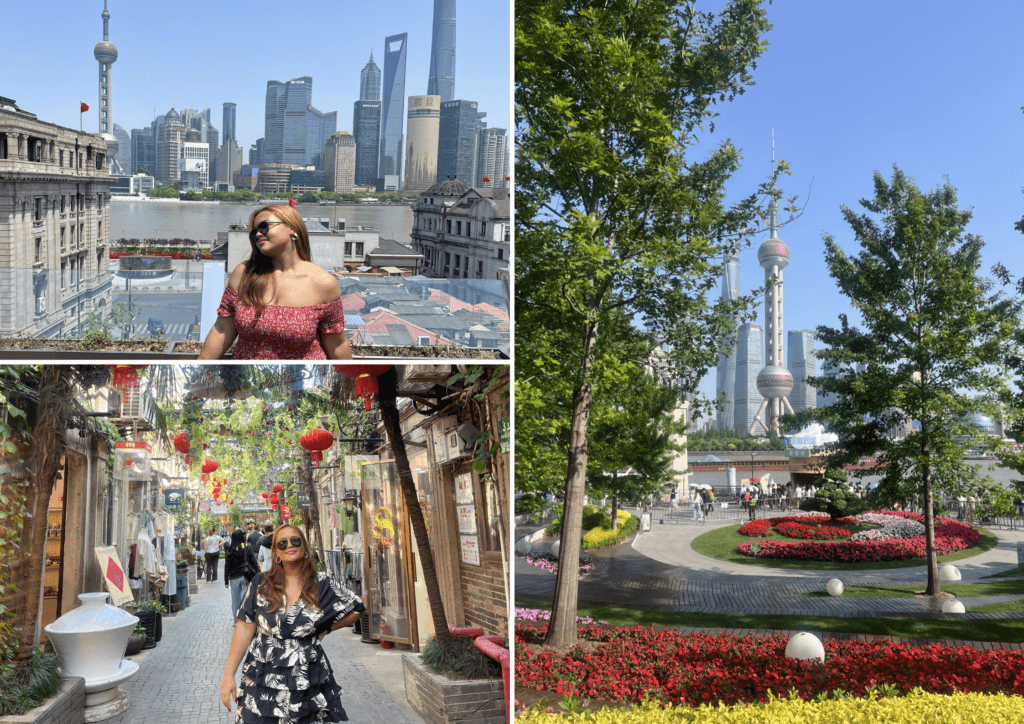
Read the full breakdown in my Shanghai Guide.
Day 4-6 Hanzghou
High-speed rail south from Shanghai (about an hour) for lake scenery and a slower pace
- West Lake
- Lingyin Temple
- Longjin tea village
- Xixi Wetland
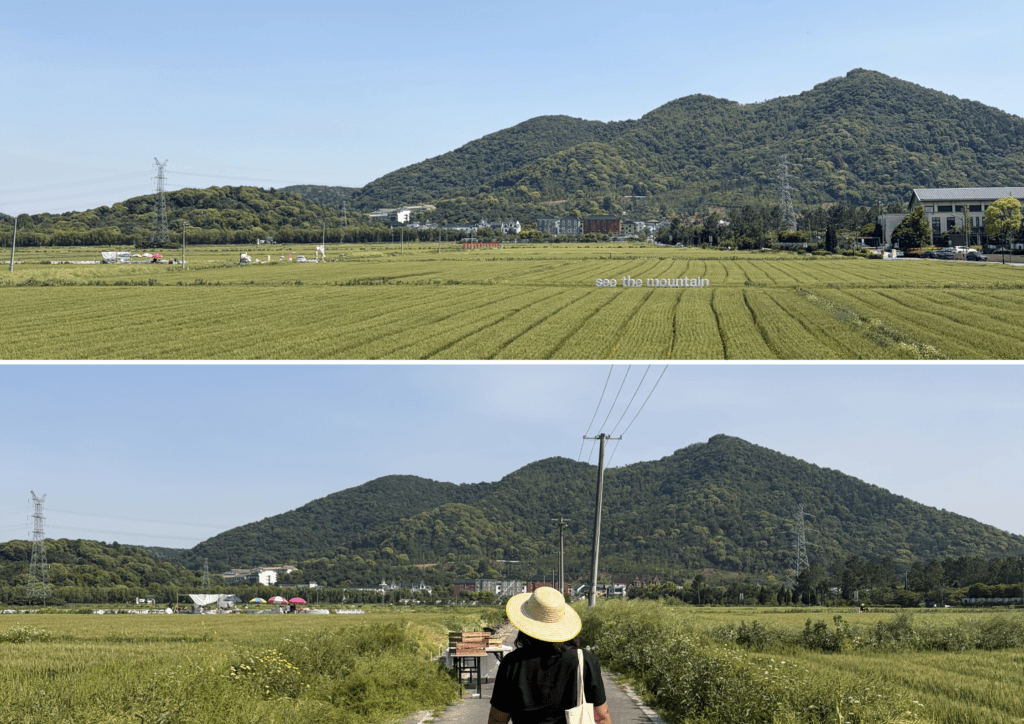
See the complete Hangzhou Guide for details and ticketing tips.
Day 7-9 Beijing
High speed raail to the capital for history and traditional culture.
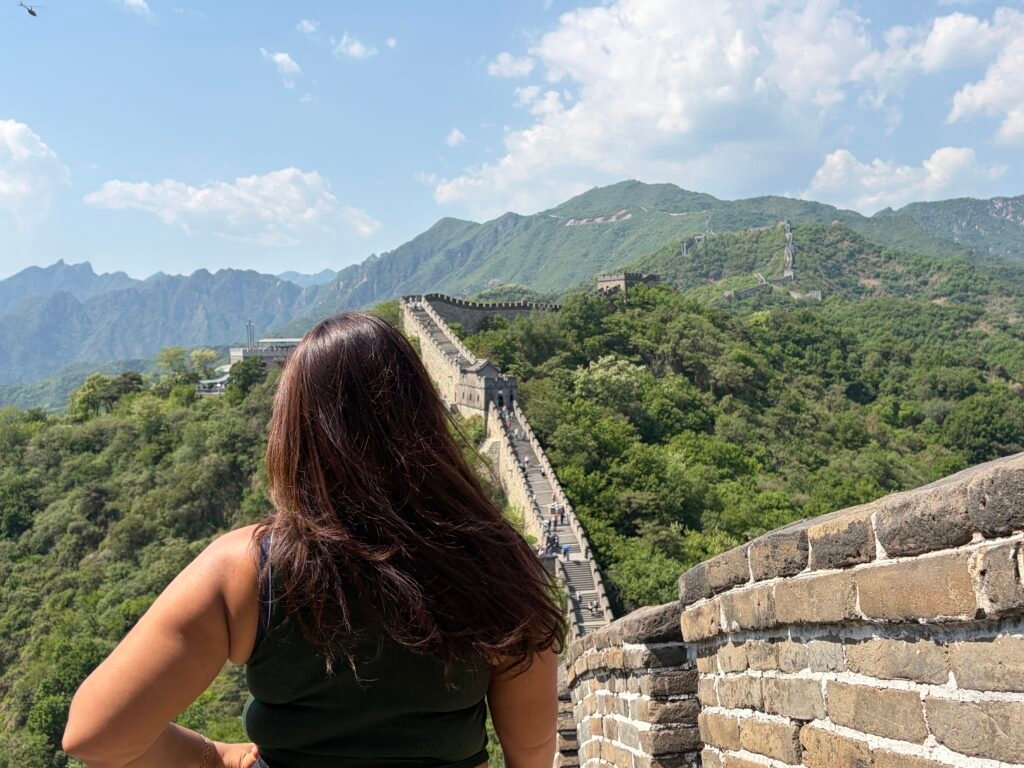
- The Great Wall
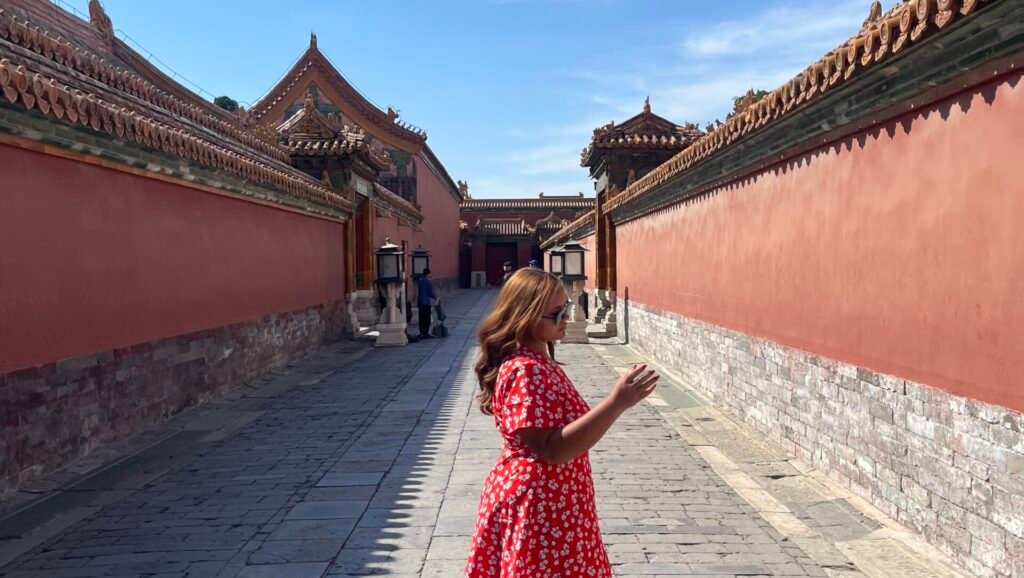
- Forbidden City
- Temple of Heaven
- Summer Palace
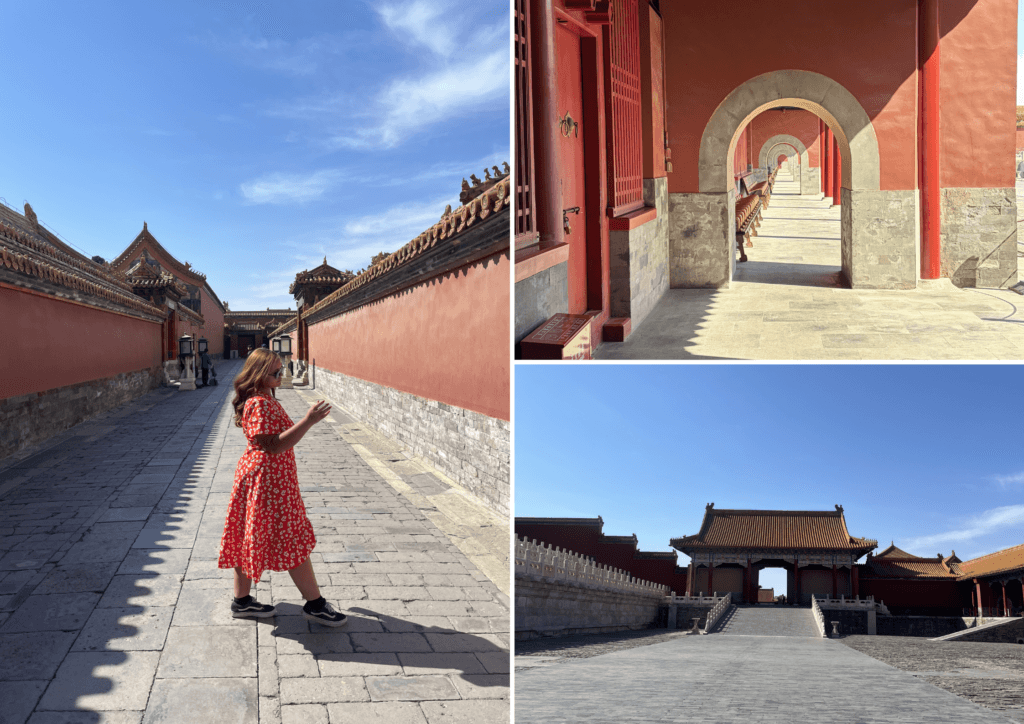
See the complete Beijing Guide for details and ticketing tips.
Day 10-12 Chengdu
Slow down the pace with pandas, nature and good food
- Chengdu Research Base of Giant Panda Breeding
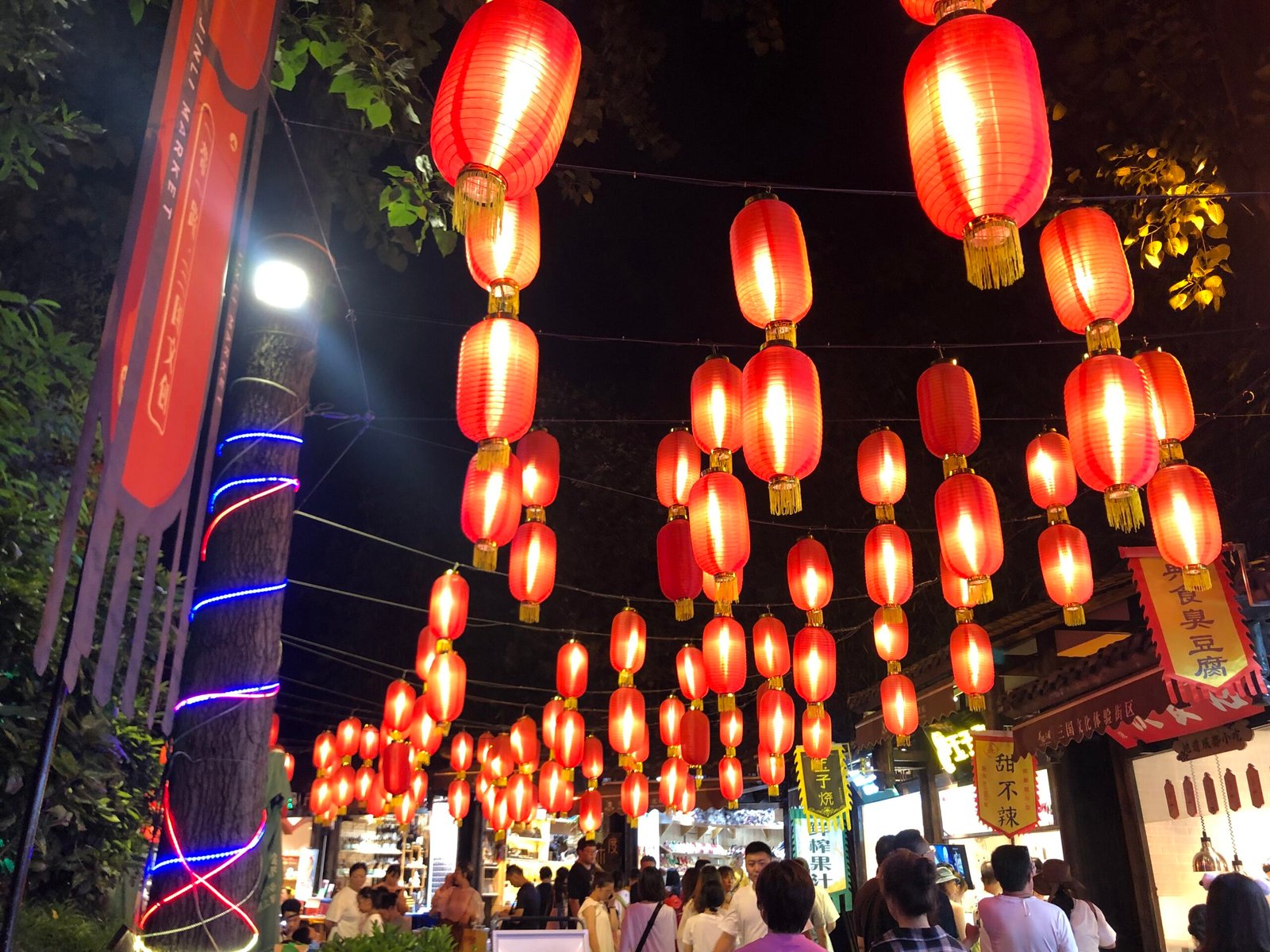
- Jinli Street
- Sichuan Hot Pot
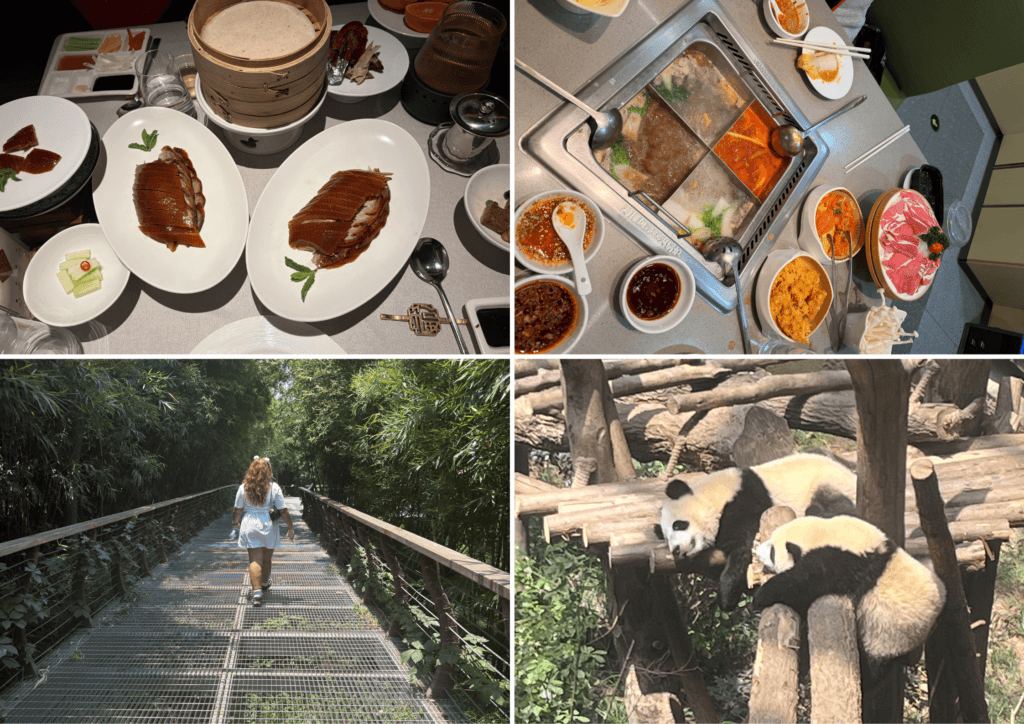
Full details in the Chengdu Guide including accomodation and attractions.
Day 13-14 Buffer & Departure
Two spare days to breathe before you fly home
- Use as rest days in Chengdu, catching up on sleep and laundry after nine days of moving city to city
- Alternatively, swap in a day trip from Chengdu (Leshan Giant Buddha and Mount Emei are the most popular) if you’d rather stay active
- Keep day 14 light for packing and transfers to the airport, especially if your flight home departs in the evening
Budget for 2 Weeks
| Category | Budget Traveller | Mid-Range Traveller |
| Accommodation | $15–30/night ($210–420 total) | $50–100/night ($700–1,400 total) |
| Food | $10–20/day ($140–280 total) | $30–50/day ($420–700 total) |
| Domestic Transport (high-speed rail & flights) | $180–280 total | $300–500 total |
| Attractions & Entry Fees | $120–180 total | $180–280 total |
| Total (excluding international flights) | $650–1,160 | $1,600–2,880 |
How to Get Around China
- High Speed Rail – the most efficient way to move between cities on this route
- Domestic Flights – worth it for longer hops like Zhangjiajie to Hong Kong or Yunnan
- Didi – works like Uber and is essential within cities
- Metro – cheap, extensive and easy to navigate in Shanghai, Beijing and Chengdu
Essential Apps to Download Before You Go

Looking for the essential travel tips for China as a whole – the apps, the gadgets and everything else you’re gonna need to optimise your time? You can read my first-timer guide here.
Packing List Essentials
- Portable charger (long train days)
- Universal adapter
- Comfortable walking shoes (you’ll rack up serious daily step counts)
- Layers — this itinerary spans very different climates
- A physical copy of your visa and passport, plus digital backups
FAQS
Is 2 weeks enough in China?
Yes — two weeks is enough to comfortably cover Shanghai, Hangzhou, Beijing and Chengdu, a route that mixes the big-city highlights with a slower lake-town stop.
Is China safe for travellers?
China is generally considered very safe for tourists, with low rates of violent crime. Standard travel precautions still apply like grabbing insurance before you go and using common sense.
Can I use Google in China?
No. Google, along with many other Western apps, is blocked. An esim installed before arrival is essential.
Do I need cash in China?
Mostly no — the country runs on Alipay and WeChat Pay — but it’s worth carrying some RMB for smaller vendors or rural stops.
What’s the best time of year to visit?
Spring (April–May) and autumn (September–October) offer the most comfortable weather across this route.
Should I book trains in advance?
For popular routes, especially around Chinese holidays, book a few days ahead where possible to secure seats.
Final Thoughts
Two weeks gives you the essential China route — Shanghai’s skyline, Hangzhou’s lakeside calm, Beijing’s history and Chengdu’s pandas — without the logistics of a longer trip. If your schedule stretches further, my 3-week itinerary adds a nature escape or a second region on top of this exact route.
Where to Next? Your China City Guides
To help you decide your next Chinese adventure, I’ve written detailed guides for every city I’ve loved and hated from my very own archives. Including where to stay, the best hotels, top things to do, eat and a 3 day itinerary, check them out below.